


Inside the Red Sea Project: The Luxury Destination Transforming Global Tourism

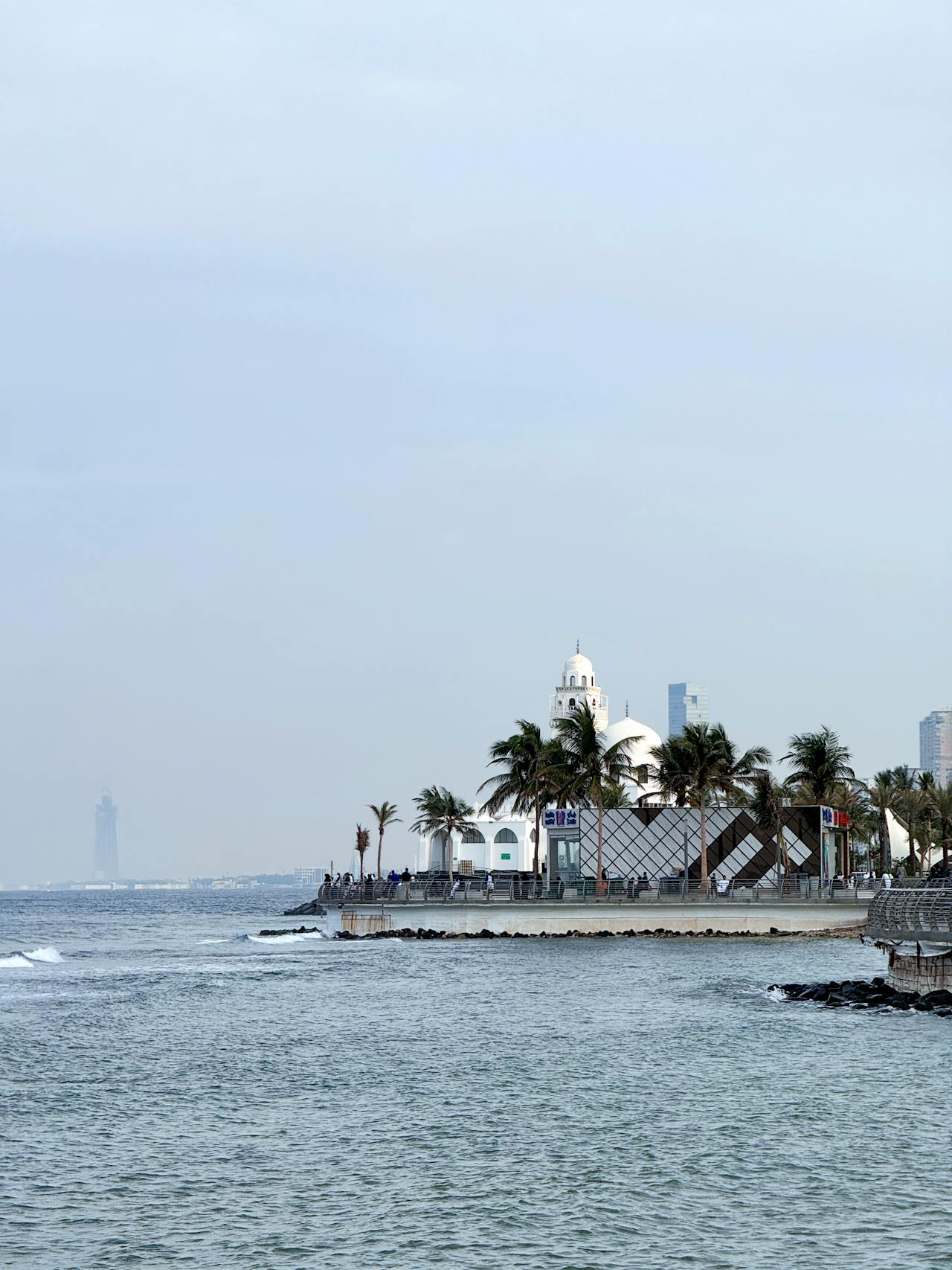
Recently, attention has increasingly turned toward Saudi Arabia, not only for investment, work, or pilgrimage, but for tourism as well. Saudi Vision 2030 addresses many sectors, including tourism, and from this vision, the idea of the Red Sea Project emerged. This project is not simply a new tourist destination. It is expected to become a new luxury destination that will transform global tourism.
The project is developed by The Red Sea Development Company, a real estate development company owned by the Public Investment Fund of Saudi Arabia and established under the leadership of Crown Prince Mohammed bin Salman. The Red Sea Project was announced in the summer of 2017, with plans to complete its development by 2030. As it represents a major transformation for the Kingdom’s tourism sector, this article explores the project in more detail and highlights its key features.
The Idea Behind the Red Sea Project: A New Tourism Vision
Saudi Arabia is bordered on the west by the Red Sea, a relatively small sea geologically younger than many of the world’s other seas, yet it remains a natural treasure widely celebrated. The Red Sea is considered one of the clearest seas in the world. Its warm waters and vibrant coral reefs, with many colors, shapes, and species, create a rich and diverse marine ecosystem. Its climate is also mild throughout the year and well-suited for tourism. All of these features and more make the Red Sea an exciting destination for lovers of marine nature, divers, explorers, and those who simply enjoy relaxing in places that feel like paradise.
For this reason, it was wise to give attention to this natural treasure and transform it into an additional tourism attraction for the Kingdom; thus, the Red Sea Project was conceived. The goal was to create a new global tourism destination that redefines luxury while focusing on environmental and natural sustainability as part of Saudi Vision 2030, which aims to diversify the Saudi economy beyond oil. The project will span about 90 islands and include luxury resorts, natural reserves, yacht marinas, dedicated areas for marine activities and diving, and an international airport. With these elements, the project is set to become a strong competitor to some of the world’s most famous island destinations and will enter the global tourism landscape on a grand scale.
The project will also place strong emphasis on environmental protection and the preservation of the sea’s natural resources. For this reason, it is expected to represent a new chapter in sustainable tourism. The entire project will be powered by renewable energy, and natural reserves will be established to protect the surrounding ecosystems. Clear policies will also be implemented to preserve and protect the Red Sea’s coral reefs. Through this approach, the project is expected to shine as a remarkable destination in the region and attract visitors from across the world. Read also: Saudi Projects: National Achievements Leading Vision 2030
Where Is the Red Sea Project Located and Why Was This Location Chosen?
The project is located on the western coast of Saudi Arabia between the cities of Umluj and Al Wajh in the Tabuk region in the northwest of the Kingdom. This location was chosen for several reasons:
- First, the area is known for its breathtaking, untouched natural beauty, with several uninhabited islands, pristine beaches, and crystal-clear waters.
- Second, the region is home to coral reefs that are relatively resilient to climate change, a rarity that makes it an exceptional environment for water sports and diving. The area also features rich environmental diversity, bringing together seas, beaches, deserts, mountains, and even dormant volcanoes. This unique combination makes it a destination capable of capturing global attention.
- Another important factor is its strategic location at the crossroads of Asia, Africa, and Europe, making it easily accessible for travelers from many parts of the world.
- Finally, the area is far from crowded cities, allowing it to serve as a peaceful retreat away from the noise of everyday life. This also made it easier to develop the islands and infrastructure required for the project.
The Red Sea Islands: Untouched Nature at the Heart of the Experience
The project includes around 90 untouched islands, yet only 22 of them will be developed to welcome visitors, while at least 75 percent of the destination’s islands will remain protected and untouched. The fact that these islands were largely uninhabited has helped preserve their natural environment to a great extent. As a result, they are known for their golden sandy beaches and clear turquoise waters.
This unique tourism experience blends luxury with nature through high-end resorts designed in harmony with the surrounding environment. This allows visitors to enjoy tranquility and breathtaking landscapes far from the noise of city life. In this way, the project demonstrates how natural beauty and luxury tourism can coexist in a balanced, thoughtful way.
Unique Activities and Tourism Experiences
The activities available to visitors are as diverse as the region’s ecosystems themselves. Tourists can stay in desert resorts or international hotels overlooking the coastline and enjoy the comfort and luxury offered by these facilities.
Water-based activities are also central to the experience, including swimming in warm waters, diving among vibrant coral reefs and marine life, kayaking, water sports, sailing on yachts, and exploring nearby islands. Visitors can also take part in desert or mountain hiking trips, camel riding, stargazing, and camping experiences. In short, the destination offers an unforgettable journey that captures the true spirit of nature.
How Will the Red Sea Project Transform Global Tourism?
From its very beginning, the project has been an ambitious and pioneering effort to reshape global tourism through a model centered on sustainable tourism that protects the natural environment while maintaining a luxurious travel experience. The project seeks to integrate the region’s natural landscape into the tourism experience itself, making nature an essential part of visitors’ comfort, enjoyment, and exploration.
At the same time, it places Saudi Arabia firmly on the global tourism map as a new destination capable of reshaping international travel patterns by drawing on the region’s remarkable natural beauty and environmental richness.
Conclusion
The Red Sea Project reflects visionary leadership and a forward-looking strategy that guides the Saudi economy toward new horizons beyond oil. By drawing on the Kingdom’s rich natural assets and transforming them into a sustainable tourism destination, the destination represents a significant milestone in the development of leisure tourism. From preserving the natural beauty of the islands to introducing refined luxury experiences, the project is set to position Saudi Arabia as a key destination on the global tourism map.