


Reasons That Make Saudi Arabia Your Optimal Investment Destination in 2026

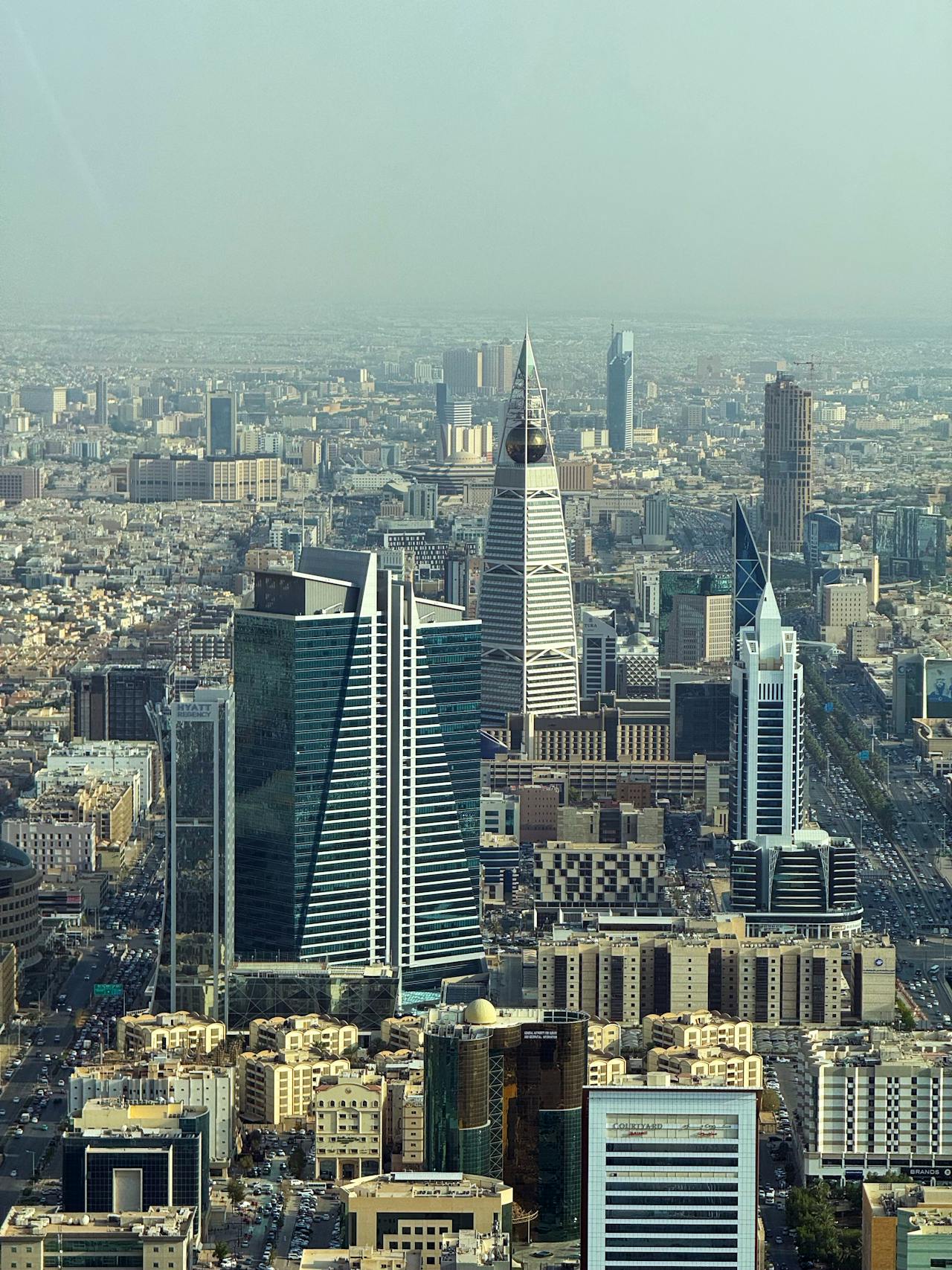
When we think about investment destinations, the United Arab Emirates, Turkey, and certain European countries that promise political stability, strong commercial returns, and residency opportunities are usually the first to come to mind. But did you know that the Kingdom of Saudi Arabia is rapidly entering this competition with remarkable momentum?
It may come as a surprise to some, yet with the accelerating pace of economic transformation in the Kingdom, the Kingdom has become one of the most prominent investment destinations, both in the region and globally. Legislative reforms, mega-projects, and flexible economic policies are working together to create a more open and competitive business environment.
Moreover, investment opportunities in Saudi Arabia are no longer limited to traditional, single-sector opportunities; the diversity of potential investment fields, ranging from real estate, tourism, technology, and energy to industry and beyond, has become one of the key reasons global attention is increasingly turning toward the Kingdom. In this article, we will highlight the most important reasons that make Saudi Arabia your optimal investment choice in 2026.
What Are the Advantages of Investing in Saudi Arabia?
Investment opportunities in Saudi Arabia are steadily increasing, encouraging many investors to seriously explore these prospects. This is driven by several key factors that have positioned the Kingdom firmly on investors’ radar. Among the most important of these factors are the following:
Vision 2030 and the Drivers of Transformation
One of the most important and prominent factors driving the Kingdom’s economic transformation is Vision 2030, which aims to diversify income sources, reduce dependence on oil, and enhance the private sector’s contribution to GDP. It is worth noting that Saudi officials are striving to translate this vision into tangible reality through the National Transformation Program, the National Investment Strategy, and Public Investment Fund projects, as well as a package of legislative and regulatory reforms that have facilitated investor entry into the Saudi market. This has created a more transparent and efficient environment and established a long-term approach that ensures investment in the Kingdom is based on a clear vision and measurable objectives.
The Strength of the Saudi Economy and Growth Prospects for 2026
The strength of the Saudi economy is undeniable. It is the largest in the Middle East and North Africa and an active member of the G20. With ongoing economic diversification plans, forecasts indicate stable growth in non-oil sectors throughout 2026, supported by both public and private investments, which reflects on the expansion in the industrial, tourism, technology, and logistics sectors. This is offering investors major opportunities to take advantage of a dynamic and rapidly evolving market.
Political and Financial Stability Fuels Saudi Economic Growth
In addition to the Kingdom’s Vision and economic strength, political and financial stability are key factors encouraging investment in Saudi Arabia. The Saudi financial system is also remarkably robust, with effective banking supervision and balanced monetary policies that maintain currency and inflation stability. Therefore, many investors view the Kingdom as a safe environment for establishing and expanding businesses, free from sharp fluctuations that could negatively impact investment returns.
Saudi Arabia’s Investment Environment is Attractive to Both Foreign and Local Investors
Speaking of a secure environment, it is worth noting that the investment environment in Saudi Arabia has witnessed extensive modernization of its investment-related regulations in recent years. This includes streamlining licensing procedures, digitizing government services, and enhancing investor protection, culminating in the 2026 Foreign Investment in Saudi Arabia Law. Legal frameworks related to bankruptcy, corporate governance, and intellectual property protection have also been developed. These improvements and legislation are effective steps that have made the Saudi investment environment more competitive and flexible, both for local investors and foreign companies seeking to expand in the region.
Government Incentives and Exemptions for Investors
The Saudi government also offers a range of investment incentives, including tax exemptions in certain regions, financial support, ownership facilitation, and incentive programs for priority sectors. Special economic zones offer competitive advantages such as reduced fees and streamlined import and export procedures. These incentives aim to reduce operating costs and enhance the viability of investment projects.
Infrastructure Development and Support for Mega Projects
The Kingdom has also placed great emphasis on developing its infrastructure, including road networks, ports, and airports, in addition to public transportation, energy, and telecommunications projects, recognizing infrastructure as a crucial factor in attracting investments. It has launched mega-projects such as NEOM, the Red Sea Project, Qiddiya, and Diriyah, which represent enormous investment opportunities across multiple sectors. This development has enhanced the market’s capacity to absorb substantial investments and provides a comprehensive operating environment.
Diversification of Investment Opportunities in Promising Sectors
In the past, investment in Saudi Arabia was limited to the oil sector, but with Vision 2030, this is no longer the case! Investment now extends to promising sectors such as tourism, entertainment, financial technology, renewable energy, logistics, healthcare, and education. This diversification not only supports the country’s economic growth but also reduces risks and provides investors with multiple options for building balanced investment portfolios that align with future market trends.
A Global Strategic Location
Finally, the Kingdom’s geographic location has played a crucial role in positioning it on the global investment map. Being at the crossroads of three continents, Saudi Arabia enjoys a strategic location connecting Asia, Europe, and Africa, supporting import and export activities and supply chains. With the development of its ports and logistics zones, Saudi Arabia has become an ideal launchpad for companies targeting markets within the region and beyond.
How does the new Saudi foreign investment law support the growth of this sector?
The new Saudi foreign investment law directly contributes to the sector’s growth by establishing a clear regulatory framework that enhances investor confidence and reduces legal ambiguity. Enabling non-Saudis to own and invest within specific guidelines broadens the investor base and injects new capital into the market, thereby increasing real estate sector activity and trading volumes. Furthermore, clear procedures, adherence to electronic registration, and robust governance enhance transparency and make the investment environment more stable and attractive for long-term investment. This, in turn, stimulates major urban development projects and supports real estate-related sectors such as contracting, finance, and engineering services. The economic impact extends beyond mere ownership, into an integrated economic system that contributes to achieving Vision 2030’s goals and to strengthening the Kingdom’s position as a regional and international investment hub.
Conclusion
In conclusion, the new foreign investment law represents a strategic step reflecting the profound transformation underway in the real estate sector and the Saudi economy as a whole. By regulating ownership, clarifying controls, and expanding opportunities for non-Saudi investors, the Kingdom is enhancing its appeal as a promising investment destination characterized by transparency and stability. As the legislative environment continues to develop in line with Vision 2030’s goals, this new framework is expected to stimulate growth, attract capital, and solidify Saudi Arabia’s position as a regional and international hub for real estate investment.