


Al-Mousa District Guide, Riyadh | Historical Real Estate & Wholesale Markets

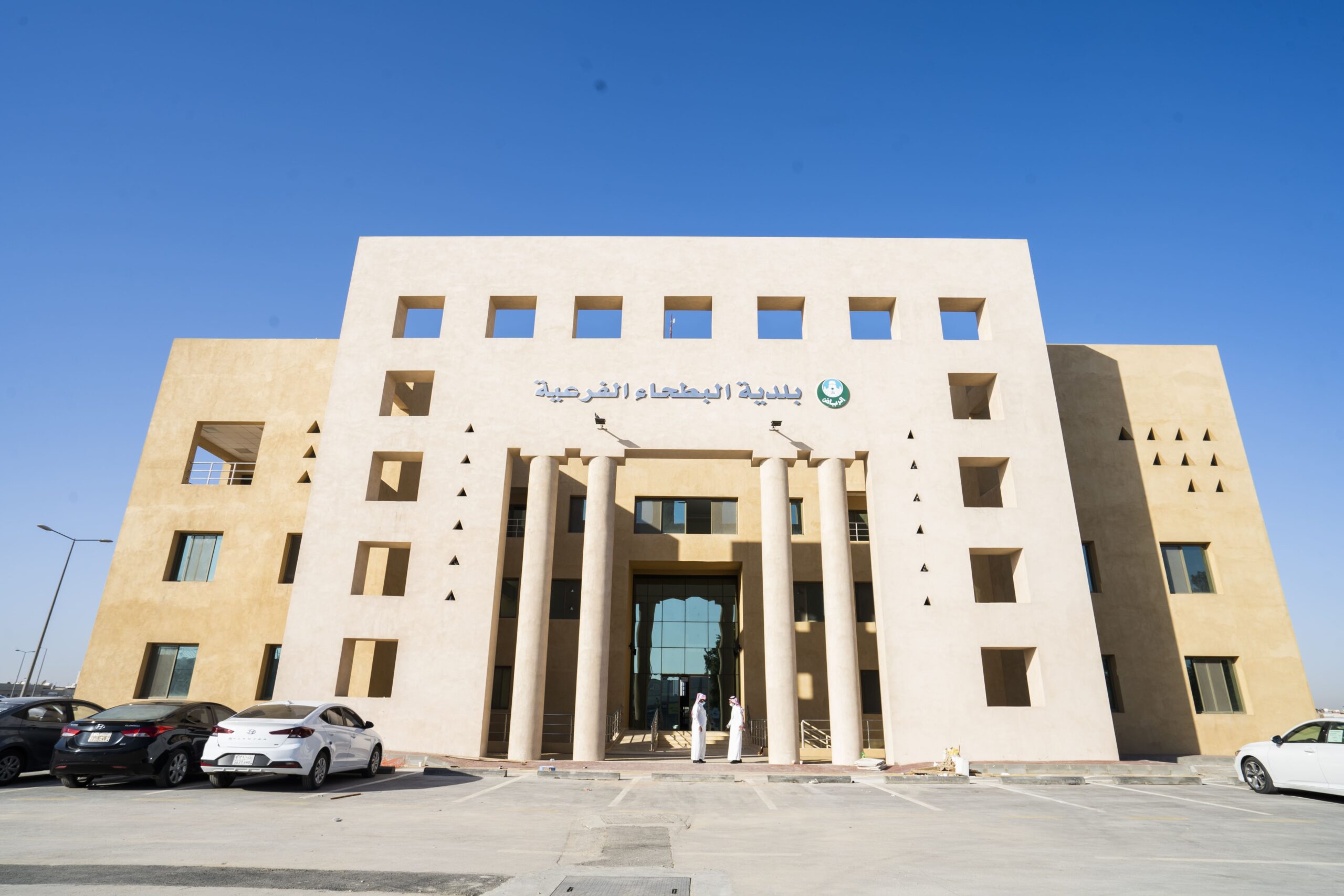
Introduction to Al-Mousa Neighborhood in Riyadh
In this article, we will talk about what is known as Al-Mousa neighborhood, which is an ancient popular residential and commercial block located in the heart of the historical downtown of the capital. This area represents the real estate and commercial essence of the beginnings of Riyadh’s urban renaissance, and is famous for its simple traditional character, social proximity, and commercial activity based on wholesale and central spare parts markets.
Urban Development and History of the Neighborhood
This block was established in conjunction with the first urban boom of Riyadh in the middle of the last century, specifically after the demolition of Riyadh’s old walls and expanding towards the east and south. The name emerged popularly and commercially after Sheikh Abdulaziz bin Nassar Al-Mousa established the famous “Al-Mousa Market and Qaysariyah” in that area, which became a main commercial hub for selling ready-made garments, fabrics, and travel bags, linking the entire block with the title “Al-Mousa” in local custom.
Clarification: The Difference Between “Al-Mousa Subdivision” in West Riyadh and the Historical “Al-Mousa Block”
Before reviewing the details of this guide, it is highly essential to clear up a common geographical confusion in Riyadh’s real estate memory regarding the name “Al-Mousa”. This name in the capital is split between two completely separate locations:
-
Al-Mousa Subdivision (West Riyadh): It is a relatively modern residential block located within the scope of “Tuwaiq District” (Exit 28, Makkah Al-Mukarramah Road extension), famous for contemporary villas, duplexes, and modern real estate activity. (This is not the subject of this article).
-
The Historical Al-Mousa Block and Market (Central Riyadh): It is the old geographical and historical area located in the vibrant heart of downtown Riyadh, which was historically linked to the “Old Al-Mousa Market and Qaysariyah” and its surrounding popular neighborhood established in the middle of the last century with the beginnings of urban expansion outside Riyadh’s old clay walls, and it is administratively located within the ancient Al-Marqab District.
In this guide, we will focus on the “Historical and Traditional Al-Mousa Neighborhood” in downtown Riyadh, reviewing its history, location, real estate and social nature, and comparing it to the adjacent historical districts.
Geographical Location of Al-Mousa Neighborhood
It is located in the heart of historical and commercial downtown Riyadh, specifically in the eastern part of the famous “Al-Batha” area, and administratively and organizationally follows the Municipality of Central Riyadh (Al-Batha).
Boundaries of Al-Mousa Neighborhood
This historical block is bounded by highly important major axes and streets in the center of the capital:
-
Northern Boundary: Imam Faisal bin Turki bin Abdullah Road (separating it from Al-Salhiyah district).
-
Southern Boundary: Makkah Al-Mukarramah Road (Old Al-Kharj Road extension).
-
Eastern Boundary: Al-Ghurabi Street (separating it from Al-Amal district).
-
Western Boundary: Al-Batha Public Street, extending parallel to King Faisal Road (Al-Wazir Street).
Adjacent Districts to Al-Mousa Neighborhood
The block is surrounded by a network of the oldest and most ancient historical and commercial districts of Riyadh, namely: Al-Salhiyah District from the north, Al-Amal District from the east, and Al-Futah District from the northwest, Al-Dirah District (the administrative center of governance) from the southwestern side, and the heritage-rich Manfuhah District from the southern side.
Main Streets inside Al-Mousa Neighborhood
The block features an old network of streets crowded with commercial and logistical movement, most notably:
-
Al-Batha Public Street: Bounds the block from the west and is considered the primary commercial and logistical hub for transport and movement in downtown Riyadh.
-
Al-Ghurabi Street: Bounds it from the east, and it is the most famous street in the Kingdom specializing in the car accessories and spare parts trade.
-
Sufyan bin Uyaynah Street: The main internal artery of the neighborhood, traversed by narrow historical corridors and alleys separating old residential blocks, and where the traditional Al-Mousa market and qaysariyah are located.
Distances from Al-Mousa Neighborhood to Landmarks
Given its location at the historical point of origin of the capital’s urban expansion, its distances to downtown Riyadh landmarks are measured in meters and a few minutes, as follows:
| Landmark Name | Distance in Kilometers |
| Qasr Al-Hukm Area and Riyadh Region Emirate (Al-Dirah) | 1.5 km |
| Al-Muaiqilia Market and Historical Masmak Palace | 1.8 km |
| King Abdullah Financial District (KAFD) | 20 km |
| King Khalid International Airport | 38 km |
How to Reach Al-Mousa Neighborhood?
Reaching the location is easy via the main axes of downtown Riyadh; those coming from the north or south can take King Fahd Road or King Faisal Road (Al-Wazir) and then turn east towards Al-Batha and the vicinity of the neighborhood. The site is also directly served by the Riyadh Bus Project through the Bus Rapid Transit (BRT) network passing through Al-Batha center.
Historical and Urban Character: Heritage Buildings and Old Markets in the Neighborhood
The block is characterized by a mixed architectural style that tells the story of the capital’s transformation; where old mud buildings meet the first 3-and-4-story concrete buildings built in the seventies and eighties of the last century (the period of the first urban boom). “Al-Mousa Qaysariyah” stands out with its open narrow corridors and alleys as a living witness to the classical commercial pattern of heritage markets in central Riyadh.
Demographics and Their Nature
The block has witnessed a major demographic shift; after being a residence for prominent merchants and ancient Riyadh families in the middle of the last century, it today comprises a mix dominated by expatriate labor working in the surrounding wholesale markets, with a very small percentage of families holding onto their old homes for reasons related to work or heritage.
Facilities and Services in Al-Mousa Neighborhood
Schools in Al-Mousa Neighborhood
Given the block’s location in the heart of the historical downtown, it does not include major modern educational complexes inside it. Instead, resident families rely on ancient government schools distributed across its adjacent historical districts, most notably:
-
Al-Tethkariah Elementary School: It is one of the oldest and most ancient historical public schools in Riyadh city and serves central city residents.
-
Al-Asemah Model International Schools: Located relatively nearby in the perimeter surrounding downtown, providing educational tracks for all stages.
-
Public Schools Scattered in Al-Salhiyah and Al-Futah Districts: Covering elementary and intermediate stages for boys and girls, serving the residents of this logistical block.
Nearby Health Centers and Hospitals
The health depth of the area primarily depends on major public medical institutions surrounding central Riyadh to provide integrated healthcare, most notably:
-
King Saud Medical City (formerly Al-Shumaisi Hospital): The largest and closest medical reference for the neighborhood, located only about 3.5 km away (around 10 minutes by car).
-
Al-Iman General Hospital: Located in southern Riyadh, directly serving the southern range extending from the center of the capital.
-
Primary Healthcare Centers: The area relies on public healthcare centers (clinics) available in the adjacent residential neighborhoods like Al-Salhiyah and Al-Futah.
Historical Mosques in Al-Mousa Neighborhood
The central Riyadh area and the historical blocks surrounding Al-Mousa neighborhood are rich with a group of the oldest ancient mosques reflecting traditional architectural styles and serving as witnesses to the capital’s history, most notably:
-
Historical Al-Marqab Mosque: Considered one of the oldest mosques in the area surrounding the block, characterized by its ancient Najdi style and has witnessed the capital’s development stages for decades.
-
Imam Turki bin Abdullah Mosque (The Grand Mosque): Located a few minutes away in the adjacent Al-Dirah district (Qasr Al-Hukm area), it is considered the largest and historically most important congregational mosque in Riyadh, serving as a scientific and religious beacon in past eras.
-
Sheikh Muhammad bin Ibrahim Mosque: Also located in the Qasr Al-Hukm area very close to the neighborhood.
-
Local Mosques inside Qaysariyahs: The block includes several old mosques and prayer halls established with the rise of “Al-Mousa Market” and Al-Ghurabi Street to serve merchants, shoppers, and residents of the residential block.
Markets and Commercial Shops
The neighborhood is inherently an open commercial market, containing:
-
Old Al-Mousa Market and Qaysariyah: For selling ready-made garments, consumer perfumes, and travel bags on wholesale and retail bases.
-
Al-Batha Central Markets: For selling electronics, watches, and clothing.
-
Souq Al-Zal and Al-Muaiqilia Market: Located a few minutes away in the adjacent Al-Dirah district.
Government Facilities in the Neighborhood’s Vicinity
The block is situated very close to the first administrative and historical center of the capital, facilitating access to sovereign and municipal services, most notably:
-
Riyadh Region Emirate: Located in the adjacent Al-Dirah district (Qasr Al-Hukm area) just a few minutes away.
-
The General Court in Riyadh: Also located within the scope of the nearby Al-Dirah district.
-
Central Riyadh Municipality: The executive municipal headquarters affiliated with the Riyadh Region Secretariat, directly responsible for regulating services, licenses, and oversight in this commercial block.
Real Estate and Housing in Al-Mousa Neighborhood: Annual Rental Prices (Apartments and Buildings)
The area is classified as one of central Riyadh’s highest rental demand markets due to its logistical density. Annual rental values in the surrounding and internal streets (such as Abdullah Al-Rashid, Oqbah Al-Izzah, and Atbarah streets) vary based on area and number of rooms as follows, noting that the source of these figures is based on real estate listings on the Aqar application for the first half of 2026:
-
Small and Economy Apartments (Studio / 1-Bedroom): Annual rents range between SAR 18,000 to SAR 18,500.
-
Medium Apartments (2-Bedrooms & Lounge): Recording rent averages of around SAR 20,000/annually.
-
Spacious Family Apartments (3-Bedrooms & Lounge): Prices start from SAR 27,000 and reach up to SAR 33,000/annually.
-
Renting Entire Hotel Facilities: Hotel buildings located on side streets connected to Al-Batha Street are offered at full annual rental prices starting from SAR 70,000.
Second: Market Value of Real Estate Buildings (Sale & Investment)
In light of the total lack of vacant lands ready for new subdivisions in the historical center of the capital, buying and selling activity is entirely concentrated on existing investment buildings re-exploited as residential units or warehouses. Sale values in the real estate block came as follows:
-
Buildings with an area of 100 square meters: (such as those located on Al-Qaa Al-Barid Street), their market value for sale is around SAR 750,000.
-
Buildings with an area of 130 square meters: (such as those located on Ain Al-Hawas Street), their market value for sale is around SAR 950,000.
-
Buildings with an area of 160 square meters: (such as those located on Mamar 3 Street), their market value for sale is around SAR 850,000.
Third: Dominant Residential Unit Types
Based on the previous data, it is clear that the dominant urban pattern in Al-Mousa neighborhood and its surroundings consists of three main types:
-
Entire Investment Buildings: They are the most widespread, with small and compact areas ranging between 100m² to 160m², targeting companies to provide collective housing for their workforce.
-
Individual Residential Apartments: Apartments equipped for families inside classic multi-story buildings.
-
Hotel and Hospitality Buildings: Distributed across axes close to commercial arteries to serve the business and popular trade sector in downtown.
Why Do People Live in Al-Mousa Neighborhood?
The primary motive for living here is not luxury, but rather direct logistical proximity to workplaces in the wholesale markets of Al-Batha and Al-Ghurabi, in addition to the very low financial cost of rent and living, and the availability of the public bus transportation network.
Comparing Al-Mousa Neighborhood with Neighboring Central Districts: First, Comparison with Al-Marqab District
Geographically and organizationally, they are almost the same entity; Al-Marqab is the administrative name and the official boundary approved in the Secretariat’s records for downtown, while “Al-Mousa” is the largest and most famous internal commercial and heritage block that captures the identity of this residential scope due to the wide fame of the historical Al-Mousa market and qaysariyah.
| Comparison Axis | Al-Mousa Block (Heritage/Commercial) | Al-Marqab District (General Administrative Scope) |
| Building Style | Old markets and qaysariyahs, and small compact concrete buildings (100m² – 160m²). | Classic multi-story residential buildings, and very old popular mud and reinforced traditional houses. |
| Real Estate Prices |
Rent: SAR 18,000 – 33,000/annually. Building Sale: SAR 750,000 – 950,000. |
Rent: Starts from SAR 10,000 to 15,000 for very old apartments. Sale: Relatively lower and controlled by the land value calculated per meter. |
| Residential Categories | Expatriate labor working for wholesale companies and shops, and a minimal percentage of families. | Expatriate labor and real estate investors, along with some old families rooted in the area. |
| Commercial Intersection | Highly Dense; The neighborhood is an open-air market (fabrics, clothing, bags, and car accessories in Al-Ghurabi). | Medium to Light; Shops are concentrated on main streets, while the interior is dominated by housing and warehouses. |
Al-Mousa Neighborhood vs Al-Futah District
Al-Futah District (adjacent to it from the northwest) features a character that includes some classic palaces and old concrete houses built in an organized style, interspersed with historic public parks (such as Al-Futah Park), while Al-Mousa block is dominated by a purely commercial character, close-knit qaysariyahs, and higher logistical density.
| Axis | Al-Mousa Block | Al-Futah District |
| Historical Character | Classic commercial heritage, linked to expansion outside the walls, highlighted by “Al-Mousa Qaysariyah” and “Sufyan bin Uyaynah” corridors. | Organized residential heritage, containing classic buildings and palaces, interspersed with the famous historical “Al-Futah Park”. |
| Real Estate Indicators |
Apartment Rent: SAR 18,000 – 33,000/annually. Building Sale (100m² – 160m²): SAR 750,000 – 950,000. Full Hotel Rent: Starts from SAR 70,000. |
Apartment Rent: Ranges between SAR 14,000 to 22,000 for old apartments. Building & House Sale: Mainly depends on individual land area and the availability of surrounding gardens. |
| Density & Demographics | Very High and Compact; Dominated by collective housing for expatriate labor linked to markets and companies. | Medium; Streets are wider, and resident families and investors are distributed in a more organized and quiet manner. |
| Market Vitality | Extremely High (Open Market & Wholesale Exchange): Clothing, bags, electronics in Al-Batha, and car accessories in Al-Ghurabi. | Medium to Quiet; Shops and commercial activities are concentrated on the edges and main streets only. |
Al-Mousa Neighborhood vs Manfuhah District
Manfuhah District is a historical and deeply ancient neighborhood extending to pre-Islamic roots (the town of Al-A’sha), having a geographical nature linked to Wadi Hanifah and an extended popular residential character, while Al-Mousa block was entirely linked to the modern real estate and commercial boom of Riyadh city in the last century and did not appear as a center except with the city’s emergence beyond its walls.
| Axis | Al-Mousa Block (Central Riyadh) | Manfuhah District (South Central Riyadh) |
| Urban Age | Relatively Modern Compared to Manfuhah; Dates back to the middle of the last century (the 1970s and 1980s), dominated by the early concrete style with remnants of mud buildings older than 60 years. | Historical and Deeply Ancient; Considered one of the oldest human settlements in Najd (before Islam and before the rise of Riyadh itself), featuring the historical town of Manfuhah and its archaeological clay towers. |
| Real Estate Indicators |
Apartment Rent: SAR 18,000 – 33,000/annually. Building Sale (100m²-160m²): SAR 750,000 – 950,000. Hotel Rent: From SAR 70,000. |
Apartment Rent: SAR 12,000 – 20,000/annually (due to the dense popular nature). Popular House Sale: Starts from SAR 250,000 to 500,000 depending on condition and area. |
| Nationalities & Demographics | Dominated by Asian Nationalities (Indian, Pakistani, Bangladeshi) entirely linked to the logistical movement of Al-Batha and Al-Ghurabi markets and wholesale company workforces. | Dominated by African Nationalities (Sudanese, Ethiopian, Yemeni, and Egyptian), along with communities from various Asian nationalities and old Saudi families. |
| Commercial Pattern | Open Wholesale Market Exchange; Specializes in specific sectors (fabrics, clothing, bags, spare parts, and car accessories) with a high density of truck movement and logistics. | Retail & Popular Consumer Trade; Includes popular Haraj markets, grocery stores, and traditional workshops and contracting services serving the dense residential range. |
Al-Mousa Neighborhood as a Model for Traditional Districts in Downtown Riyadh
In conclusion, while Al-Mousa neighborhood represents this traditional pattern pulsing in the depths of the city, the compass of contemporary development is heading towards different planning horizons that integrate quality of life with modern urban extension. This leads us in our next stop to explore Al-Bayan District in east Riyadh, moving from the bustle of central markets and their compact blocks to a residential environment characterized by model subdivisions and modern villas.