


Renting vs Owning Property: Which Is Better for You in Saudi Arabia ?!

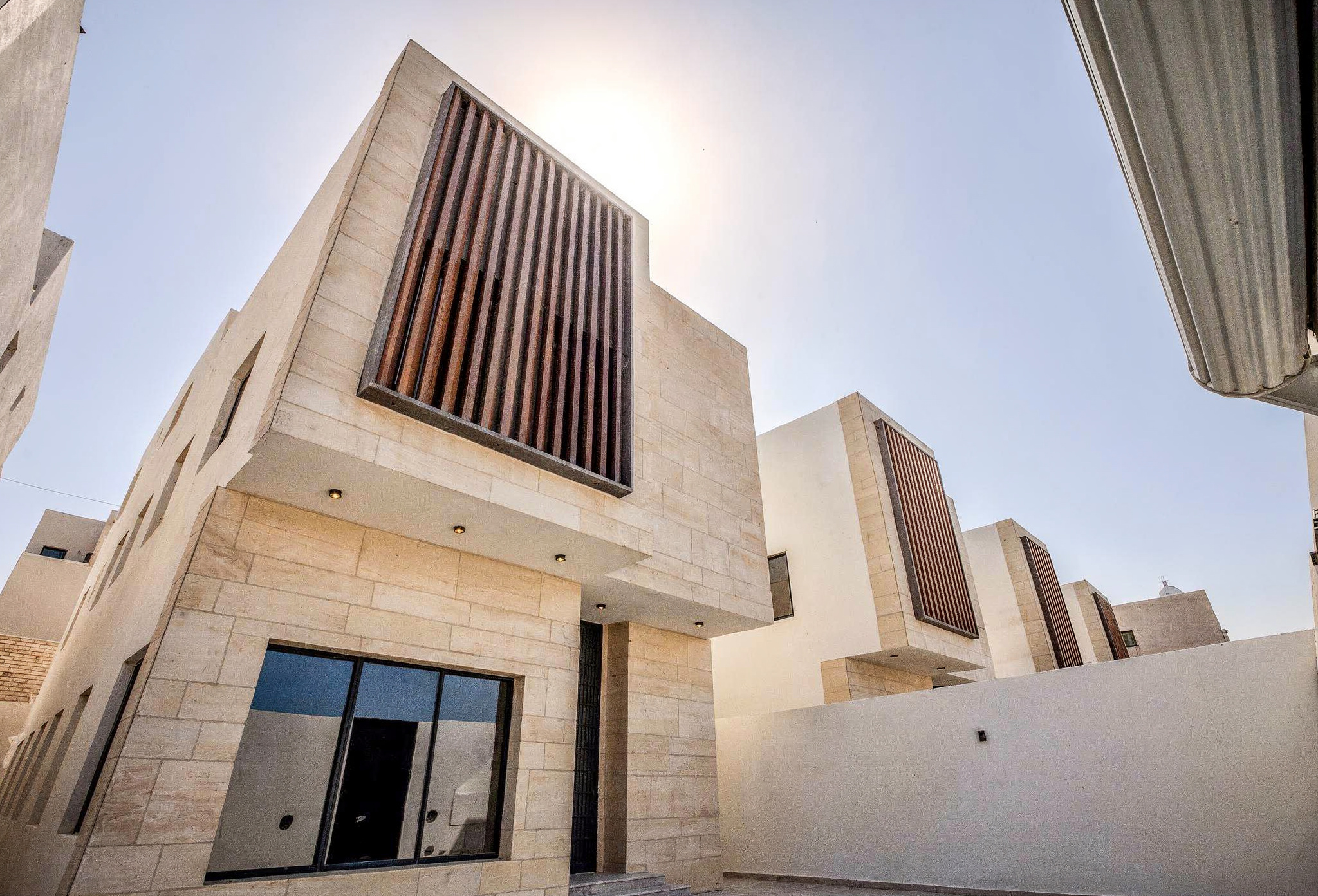
Renting or Owning Property?
When thinking about housing and stability, many people find themselves unsure whether renting or owning is the better choice. Each option has its own nature, so neither can be considered the best for everyone. The decision depends on your financial situation, your future plans, and whether you currently need more flexibility or long-term stability. In this article, we will discuss in detail the main advantages and disadvantages of both ownership and renting, so you can build your future plans with clarity.
First: What is the difference between renting and owning?
Simply put, renting means living in a property in exchange for a payment for a specified period, without actually owning the property. Ownership, on the other hand, means purchasing the property so it becomes yours, allowing you to live in it, sell it, or rent it out later. This basic difference is what creates all the other distinctions. Renting is suitable for those looking for a flexible housing solution, while ownership is better for those thinking further ahead and wanting to build a long-term asset over time.
Read also: Tips and ways to search for apartments for rent in Riyadh
Advantages and disadvantages of renting
Renting is a suitable option for many people, especially during stages of life when they need more flexibility or fewer financial commitments. This is particularly common among young men and women who may move from one city to another or from one place to another. Here, the importance and flexibility of renting become clear, unlike ownership. Let us quickly review some of the advantages.
Advantages of renting:
- Lower cost: It usually does not require a large down payment like buying does. This is a major benefit of renting.
- Greater mobility: Suitable for those who may relocate because of work, study, or changes in family circumstances.
- Lighter financial commitments: It is often easier than ownership in terms of getting started and planning for the short term.
- Less maintenance burden in some cases: Some basic repairs may be the landlord’s responsibility, and it is always better to confirm this before moving in.
What about the disadvantages of renting?
- It does not build a financial asset: The money paid only goes toward living in the property, and this is one of its biggest drawbacks.
- Rent may increase over time depending on circumstances: This can add financial pressure later and may disrupt your financial plans.
- Less stability: You may have to move when the contract ends or if it is not renewed.
- Less freedom to modify: You usually cannot make major changes to the property as you wish, because some landlords may refuse things like changing the décor or may impose other conditions before you move in.
Read also: Types of housing: villa, townhouse, apartment… what should you choose?
Advantages and disadvantages of ownership
Ownership is suitable for those seeking stability and wanting what they pay to be tied to an asset they own in the long term.
Advantages of ownership:
- Greater stability: It gives a sense of stability, especially for families.
- Building a financial asset: The property becomes yours and its value may increase over time.
- Greater freedom to modify and improve the property as you wish.
- Future benefit: Whether through living in it, selling it, or renting it out.
Disadvantages of ownership:
- Higher upfront cost: It requires a down payment, fees, and larger financial commitments.
- Responsibility for maintenance and repairs: The owner bears everything related to the property.
- Less flexibility to move: Selling or renting out the property takes time if your circumstances change.
- Long-term commitment: Especially if the purchase is made through mortgage financing.
Which option suits you better, and how do you decide? 8 important tips
After reviewing the pros and cons, you should now be able to make at least a preliminary decision. If you are looking for flexibility, lower initial costs, and freedom to change your place of residence, renting is often the better choice. But if you are seeking stability, building a financial asset, and making a long-term decision, ownership may be the better option. The right decision does not depend only on the monthly amount, but on evaluating your overall situation.
1) Determine how long you will stay in the same city or neighborhood
If you are not sure you will remain in the same place for years, renting is usually safer and more flexible. But if you plan to settle down for a long period, ownership becomes a more logical option.
2) Calculate the full cost, not just the monthly payment
Do not compare rent only with the mortgage installment. With ownership, there are:
- A down payment
- Purchase or financing fees
- Regular maintenance
- Unexpected repairs
- Long-term commitments
With renting, there may be:
- Annual or semi-annual payments
- Insurance or additional fees
- The possibility of future rent increases
3) Ask yourself: do I need flexibility or stability?
This is a very important and decisive question:
- If you need freedom of movement and quick change, renting is more suitable.
- If you are looking for permanence and a long-term home, ownership is closer to your needs.
4) Evaluate your financial ability honestly
Ownership does not only require the ability to pay now, but also the ability to continue paying. So ask yourself:
- Can I handle this commitment for years?
- Do I have a stable income?
- Do I have an emergency reserve?
If the answer is unclear, taking your time is better than rushing.
5) Pay attention to the effect of the decision on your quality of life
Some people own property, but at the expense of their comfort, because the financial commitment becomes too heavy. A good decision is not only about what you can afford to pay, but what you can pay while still living comfortably.
6) Think about the stage of life you are currently in
Your current stage makes a big difference in the decision:
- At the beginning of your professional life: renting may be more suitable.
- After career and family stability: ownership may become better.
- If your plans change quickly: do not rush into buying.
Some people choose ownership only because those around them are doing it, or choose renting only because it seems easier. A housing decision is an important personal decision that you should make for yourself, not for others.
8) Think about your goal from the property
Is your goal:
- Temporary housing?
- Family stability?
- Long-term investment?
- Reducing current expenses?
When the goal is clear, the decision becomes much easier.
A brief comparison
In short, renting is suitable for those seeking flexibility and lower initial costs, while ownership is suitable for those who want stability and to build a financial asset in the long term.
| Factor | Renting | Ownership |
|---|---|---|
| Ownership status | Use of the property for a limited period | Owning the property fully or through financing |
| Initial cost | Lower | Higher |
| Flexibility to move | High | Lower |
| Stability | Lower | Higher |
| Building a financial asset | No | Yes |
| Maintenance | Often partly the landlord’s responsibility | Fully the owner’s responsibility |
| Freedom to modify | Limited | Greater |
| Long-term commitment | Lower | Higher |