Foreign Ownership Law and Foreign Investment Opportunities in Saudi Arabia
Saudi Arabia’s real estate sector is witnessing a significant legislative development. In January 2026, a new law came into force that simplifies property ownership procedures for non-Saudis in the Kingdom and grants them several investment incentives designed to encourage and support foreign participation.
This decision represents a serious step forward in regulating foreign investment and enhancing the attractiveness of the Saudi real estate market, in line with the Kingdom’s efforts to create a more open and competitive investment environment aligned with Vision 2030 goals of economic diversification and attracting global capital.
According to the official website of the Real Estate General Authority (REGA): “The Non-Saudi Real Estate Ownership Law will serve as the updated regulatory framework enabling non-Saudis to own property in the Kingdom in accordance with specific controls and defined geographic scopes, thereby enhancing investment appeal and contributing to improved real estate market efficiency.” In this article, we will take a closer look at this new law, its key provisions, and its expected benefits.
Conditions for Foreign Property Ownership in Saudi Arabia
The Non-Saudi Real Estate Ownership Law is a modern regulatory framework issued under Royal Decree No. M/14 in July 2025 and set to take effect in January 2026. It aims to enable foreign individuals and entities to own real estate or acquire real rights over property within the Kingdom, subject to specific controls and a clear legal framework.
The law defines the categories eligible for ownership, the geographical areas covered, as well as the registration requirements, procedures, and applicable fees, while preserving the special status of certain areas of a particular nature. The conditions for foreign ownership under the decision are as follows:
1. Obtaining official approvals:
A non-Saudi individual or entity must obtain approval from the Real Estate General Authority (REGA) or the relevant competent authority before owning property or acquiring any real right over it.
2. Defining the geographical scope of ownership:
Ownership is permitted only within the geographic zones specified by the Council of Ministers. Properties located outside these designated areas may not be owned except under specific regulatory exceptions. The permitted areas for foreign ownership are detailed further in the article.
3. Definition of “Non-Saudi.”
Under this regulation, non-Saudis are permitted to own and invest in real estate. The term “non-Saudi” includes individuals who do not hold Saudi nationality, non-Saudi companies, and Saudi companies in which non-Saudis hold a significant ownership stake (as defined by the law).
4. Registration with Relevant Authorities
If the investor is a private company, it must be registered with the Ministry of Investment, its legal representative must hold valid legal identification within the Kingdom, and the company must disclose its direct and indirect shareholders.
If the entity is a non-profit organization, it must register with the relevant authority according to its legal classification and disclose its beneficial owners.
5. Commitment to electronic procedures:
All transactions related to property ownership or the acquisition of real rights must be submitted through the official electronic portal linked to the national real estate registry.
6. Compliance with technical and financial requirements:
All financial transactions must be conducted through approved electronic payment methods within the Kingdom, and must comply with registration procedures and pay the prescribed statutory transfer fees.
7. Compliance with Related Regulations
Representatives of foreign entities may only own property within the scope of an officially licensed professional, commercial, or residential activity approved by the relevant authorities. Any ownership outside the scope of such approvals is considered non-compliant.
Permitted Areas for Foreign Ownership
The new system defines the geographical areas where non-Saudis are allowed to own or invest in real estate. Detailed documentation specifying these areas will be published upon approval by the Council of Ministers.
The classification includes:
General Regulatory Framework
The Real Estate General Authority will issue a document identifying:
- Sectors open to foreign ownership
- Types of real estate rights that may be acquired
- Maximum ownership percentages permitted
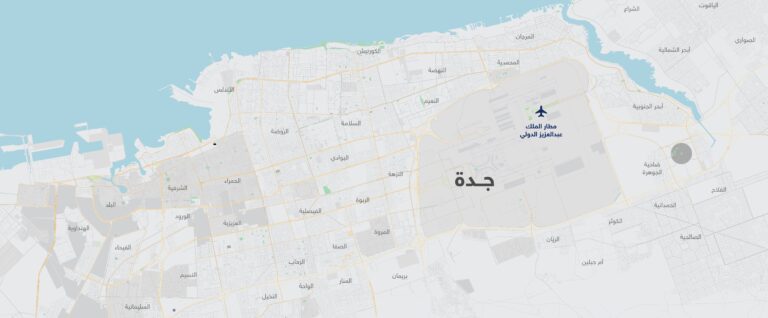
Riyadh and Jeddah
Ownership is allowed within designated zones and specific geographic boundaries.
Makkah and Madinah
Ownership is generally restricted. However, limited exceptions may apply to Muslims under specific conditions, subject to regulatory approval.
Foreign Investor License Requirements: How to Obtain One
Under the regulatory framework, obtaining a Foreign Investment License is mandatory if property ownership is intended for investment or development purposes. This license is issued by the Ministry of Investment of Saudi Arabia (MISA).
It is important to note that holding a foreign investment license does not automatically grant the right to own property in all areas. Investors must also comply with the geographical restrictions set out in the Non-Saudi Real Estate Ownership Law. License Requirements Include:
1. Establishing a Legal Entity
The investor must either:
- Own a legally established foreign company, or
- Incorporate a company within Saudi Arabia under the Saudi Companies Law
The legal structure must be specified (e.g., LLC, joint-stock company, branch of a foreign entity).
2. Submission of Legal Documentation
Typically required documents include:
- Certified commercial registration of the parent company
- Articles of incorporation and bylaws
- Board or shareholder resolution approving investment in Saudi Arabia
- Audited financial statements (depending on activity type)
- Disclosure of ownership structure and ultimate beneficiaries
3. Defining the Investment Activity
The investor must specify:
- Nature of activity (real estate development, ownership for investment, property management, etc.)
- Business plan
- Project location and geographic scope
Licensing Procedure:
1. Online Application
Submit the application electronically via the Ministry of Investment platform, uploading all required documents.
2. Application Review
The Ministry reviews investor eligibility, the validity of documentation, and compliance with approved foreign investment activities.
3. Preliminary Approval
Upon meeting all requirements, preliminary approval is issued, followed by the issuance of the investment license, enabling the investor to proceed with company formation.
4. Registration with Other Authorities
After obtaining the license, the company must:
- Register with the Ministry of Commerce
- Open a corporate bank account
- Register for Zakat and Tax
- Register property ownership with the national real estate registry
Economic Benefits of Foreign Ownership and Investment
This reform aligns with Vision 2030 and is expected to have a significant economic impact on the real estate sector.
● Stimulating Market Activity and Liquidity
Allowing foreign ownership expands the investor base, increases demand for residential and commercial properties, and enhances transaction volume and market liquidity.
● Attracting Foreign Capital
The system encourages foreign direct investment (FDI) in real estate development and long-term property acquisition, contributing positively to the national economy.
● Supporting Urban Development Projects
Increased investment can accelerate large-scale real estate projects, including integrated residential communities, commercial complexes, and tourism developments.
● Job Creation
Growth in the real estate sector stimulates related industries, including construction, engineering services, property management, and real estate financing, creating direct and indirect employment opportunities.
Conclusion
The new system opens broader opportunities for expatriates to participate in the growth of Saudi Arabia’s real estate market within a clearly regulated environment that protects rights and defines obligations. As legislative development continues, this framework is expected to further strengthen the Kingdom’s position as a leading regional and global investment destination.