


Living in Al-Jaradiyah, Riyadh: Is This Historic District Riyadh’s Best Kept Secret?

District Definition: What is Al-Jaradiyah District?
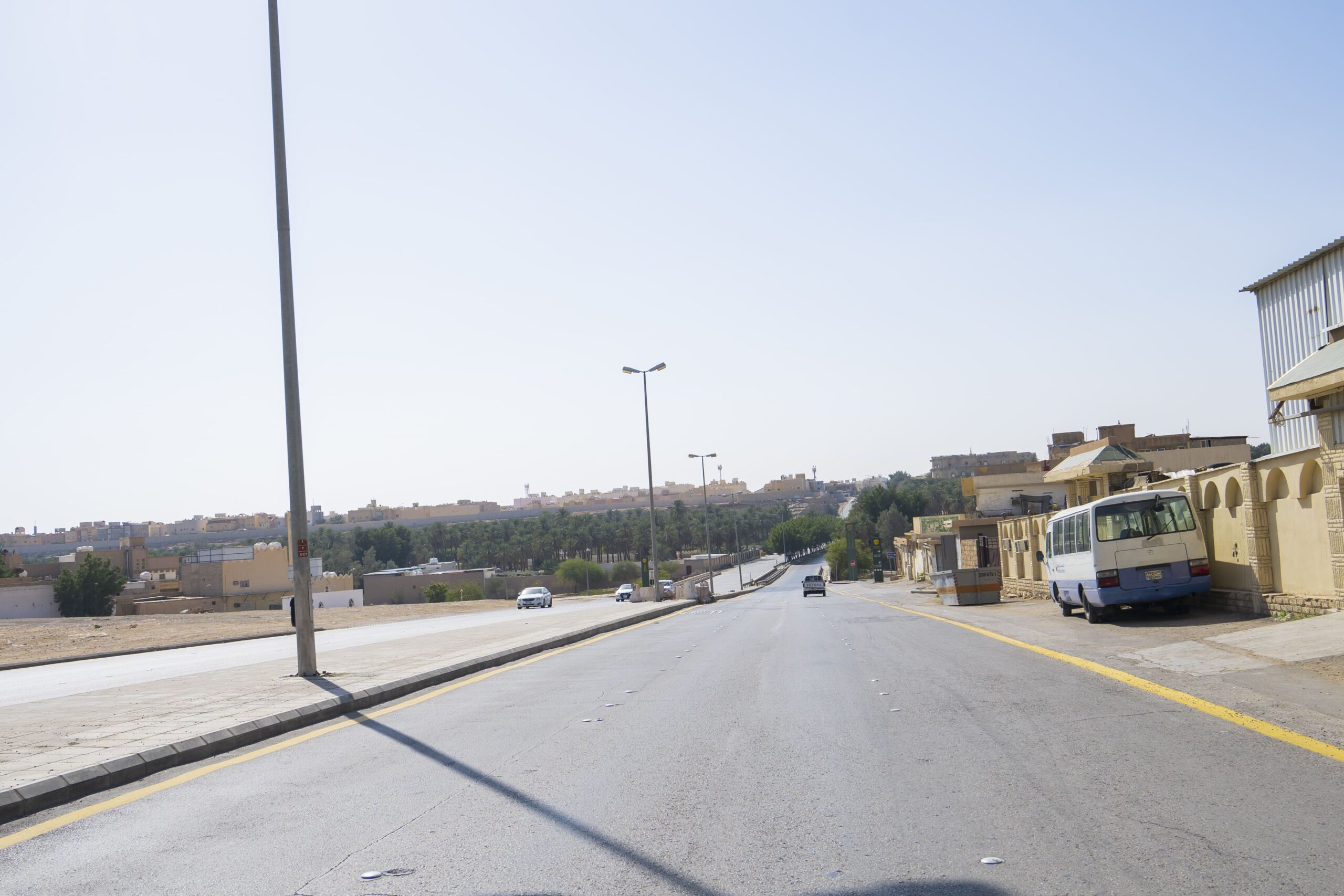
Al-Jaradiyah District is one of the most prominent residential and historical neighborhoods located in western Riyadh (within the municipality of Al-Shumaisi). The district is characterized by combining the charm of the past with modern development, serving as an authentic part of Riyadh’s urban memory and a vital residential choice thanks to its proximity to the city’s historical and commercial center.
Urban History of Al-Jaradiyah District
The urban development of Al-Jaradiyah District began with the expansion of Riyadh beyond its old city walls in the middle of the last century. The district gradually transformed from an area of orchards and farms adjacent to Wadi Hanifa into an organized residential neighborhood. It features a mix of old residential buildings (some dating back to early cement and mud construction) and renovated structures, reflecting the various growth stages the capital has undergone.
Significance of the Name “Al-Jaradiyah”
Before discussing the origin of the name, we at Aqar would like to emphasize that there is no single official document confirming the exact reason behind it; rather, it revolves around historical oral accounts that we cannot definitively confirm or deny.
- The first account: Attributes the name to the abundance of locusts (Jarad) in the area historically due to its agricultural nature adjacent to the valley.
- The second account: Traces the name back to a family or an individual known in the area in past decades.
Wadi Hanifa and the District: The Geographical and Historical Relationship
Wadi Hanifa forms the western boundary and geographical backbone of Al-Jaradiyah District. This proximity gave the neighborhood special environmental and historical value; in the past, Al-Jaradiyah’s lands served as an agricultural haven, while today, residents benefit from the parks and comprehensive redevelopment of Wadi Hanifa, giving them quick access to green spaces and nature walks.
Where is Al-Jaradiyah Located in Riyadh? District Boundaries
The district is located in the western part of Riyadh, and its boundaries are as follows:
- East: King Fahd Road.
- North: Al-Shumaisi District (crossed by Al-Shumaisi Street and Imam Muhammad bin Saud bin Muqrin Street), followed by Umm Al-Salim area.
- West: Al-Olaysha District (adjacent to Asir Street and Imam Abi Hanifa Street).
- South: Al-Madinah Al-Munawwarah Road.
Neighboring Districts of Al-Jaradiyah
Al-Jaradiyah District borders several Riyadh neighborhoods, including:
- From the North: Al-Shumaisi District (followed further north by Umm Al-Salim District).
- From the West and Northwest: Al-Olaysha District and Al-Badi’ah District.
- From the South: Sultanah District and Siyah District.
- From the East (via King Fahd Road): Mi’kal District (adjacent to Salam Park), Al-Dirah / Qasr Al-Hukm District (Northeast), and Atiqah District (Southeast).
Roads and Access to Al-Jaradiyah District
The district is distinguished by its location near a vital network of roads that facilitate movement to and from it, detailed below:
1. Main Streets (Surrounding and Crossing the District)
- King Fahd Road (Road No. 65): The primary eastern axis, a highway separating the district from Salam Park and Makkah Commercial Markets.
- Al-Madinah Al-Munawwarah Road: Borders and connects the district from the south and southwest, serving as a vital artery for traveling to east and west Riyadh.
- Asir Street: One of the most important main streets running vertically through the heart of the district, connecting Al-Jaradiyah to Al-Shumaisi in the north and Sultanah in the south.
- Imam Abi Hanifa Street: Extends from the western side to connect the district with Al-Olaysha, Al-Badi’ah, and Wadi Hanifa.
- Al-Shumaisi Street: Forms the main dividing line and artery on the northern side.
2. Secondary and Internal Streets
- Extension of Al-Shumaisi Street and internal lanes: Connects the road network between Asir Street and Al-Shumaisi Street.
- Links to Sultanah District in the south: Secondary streets connecting Al-Jaradiyah and Al-Madinah Al-Munawwarah Road via Sultanah.
- Links to Sheikh Abdulaziz bin Baz Street: Secondary streets serving the southwestern part of the district towards Wadi Hanifa.
3. How to Reach Al-Jaradiyah District
You can easily reach the district from several main entry points depending on your direction:
- If coming from North or East Riyadh (via King Fahd Road – 65):
- Take King Fahd Road heading south.
- Take the exit leading to Makkah Commercial Markets / Salam Park.
- Enter the district directly via the eastern entrances connected to Asir Street or adjacent side streets.
- From West Riyadh (via Al-Badi’ah and Al-Olaysha):
- Head east on Imam Abi Hanifa Street to enter directly into the western edges of Al-Jaradiyah.
- From South Riyadh (via Al-Madinah Al-Munawwarah Road):
- Take Al-Madinah Al-Munawwarah Road northeast.
- Turn north via the entrances leading to Sultanah District or head directly towards Asir Street.
- From Central and Historic Riyadh (Qasr Al-Hukm / Al-Dirah):
- Take westbound streets (such as Imam Muhammad bin Saud bin Muqrin Street or streets adjacent to Umm Al-Salim) and enter via Al-Shumaisi Street.
Distances from Al-Jaradiyah to Riyadh Landmarks
Here is a table showing the estimated distances in kilometers from Al-Jaradiyah District to key nearby landmarks:
| Landmark | Distance (in km) |
|---|---|
| King Saud Medical City (Al-Shumaisi Hospital) | 1.5 km |
| Salam Park | 2 km |
| Qasr Al-Hukm and Al-Dirah Area | 3.5 km |
| Souq Al-Zal Heritage Market | 3 km |
| King Saud University (Al-Olaysha Branch) | 3 km |
| Riyadh Train Station (Al-Batha) | 4 km |
| King Khalid International Airport | 49 km |
Note for travelers: Since King Khalid International Airport is relatively far (~50 km), we recommend using Riyadh Metro via Al-Jaradiyah Station (Orange Line), which offers quick access and avoids traffic congestion.
How to Reach Al-Jaradiyah District?
- From North Riyadh: Take King Fahd Road south to the intersection with Al-Madinah Al-Munawwarah Road, then head west towards Al-Jaradiyah.
- From West Riyadh: Take Al-Madinah Al-Munawwarah Road east or Aisha bint Abi Bakr Road, reaching the district’s edge near Wadi Hanifa directly.
Heritage and Architectural Character of Al-Jaradiyah & Key Historical Landmarks
- Heritage Houses: Some district alleys still retain old homes and authentic Najdi architectural structures, frequented by photographers and heritage enthusiasts.
- Proximity to Historic Central Riyadh: Proximity to Souq Al-Zal, Qasr Al-Hukm, and Al-Masmak Museum provides seamless integration with the capital’s historical identity.
Authentic Social Character
The district is known for strong social cohesion among long-time Saudi families who settled decades ago. With urban development, it has also embraced demographic and cultural diversity, attracting residents and skilled workers due to affordable living costs and proximity to commercial centers compared to northern Riyadh.
Services and Facilities in Al-Jaradiyah: Key Schools
The district and its immediate surroundings feature public and private schools across all educational stages (boys and girls), including:
Public school complexes in Al-Shumaisi and Al-Jaradiyah (elementary, middle, high school), key among them:
- Al-Jaradiyah Girls School Complex: A general education school for girls on Suwaid bin Zaid Street.
- Al-Ma’mun Elementary School: Primary school located on Abdulaziz bin Zaid Street.
- 30th High School: High school serving the district’s residents.
- Nearby kindergartens and foundational international schools.
Health Facilities and Nearby Hospitals
Al-Jaradiyah District enjoys excellent medical coverage due to its proximity to major health institutions:
- King Saud Medical City (Al-Shumaisi Hospital): Virtually adjacent to the district, offering comprehensive emergency and specialized care.
- Primary Healthcare Centers: Includes public health centers offering routine care and vaccinations.
- Private Clinics and Pharmacies: Such as Asir Pharmacy and others along main streets like Al-A’sha Street and Al-Madinah Road.
Historic Mosques in Al-Jaradiyah
Notable mosques in the neighborhood include:
- Sheikh Abdullah Al-Rajhi Mosque: One of the key mosques in the district covering 900 sqm, featuring a women’s prayer area and full amenities.
- Al-Jaradiyah Grand Mosque: A prominent historical mosque frequented by local residents.
- Prince Sultan bin Abdulaziz Mosque: A well-known mosque situated within the district.
Government Facilities and Official Landmarks
Key landmarks include:
- General Presidency of Scholarly Research and Ifta: The most prominent official government landmark located in the area.
- South Riyadh Electricity Services Office: Direct reference for handling resident affairs and power services.
- Al-Shumaisi Civil Defense Unit: Located nearby to ensure safety and rapid emergency response.
Landmarks and Transportation
- Al-Jaradiyah Train Station: A pivotal transportation hub facilitating transit to and from the neighborhood.
- Mana’a Charitable Association: A non-profit community center offering social initiatives and volunteer services.
Real Estate and Housing in Al-Jaradiyah: Unit Types and Prices via Aqar App
Residential and investment real estate listings in Al-Jaradiyah via the Aqar app vary to meet diverse needs, whether looking for standalone family homes, affordable rental options, or redevelopment investment opportunities.
1. Residential Villas
Villas suit families seeking spacious independence within the neighborhood; for instance, a villa on Hassan bin Aidan Street is listed at SAR 1,400,000.
2. Residential and Investment Buildings
Buildings are a popular choice for purchase or full leasing. Examples of buildings for sale (prices vary by site and size):
- 135 sqm residential building on Al-Husainiyah Street for SAR 1,000,000.
- 170 sqm residential building on Qasim bin Saeed Street for SAR 1,100,000.
- 300 sqm residential building on Al-Hafiz Al-Wasiti Street for SAR 1,313,000.
- 313 sqm building on Hajool Street for SAR 2,500,000.
- Major commercial buildings on key axes like Al-Madinah Al-Munawwarah Street (2,995 sqm) for SAR 17,500,000.
- Annual Building Rentals: Full building annual rents range between SAR 25,000 (120 sqm on Sarihah St), SAR 42,000 (Ayman Al-Habashi St), SAR 90,000 (275 sqm on Othman St), up to SAR 150,000/year (210 sqm on Ali Al-Madani St).
3. Residential Apartments and Rooms
Offers flexible, budget-friendly rental options:
- Residential Apartments: Annual rental apartment (91 sqm) on Hassan bin Aidan St at SAR 24,000/year, and another apartment on Suwaid bin Zaid St at SAR 1,900/year.
- Single Rooms: Compact rooms (~15-16 sqm) suitable for individuals/workers, ranging from SAR 1,750, SAR 2,000, to SAR 2,500/year on streets like Ali Al-Madani and Sarihah.
4. Residential and Commercial Lands
Provides opportunities for building custom residences or investment developments:
- Residential Land: 521 sqm plot at SAR 1,042,500, and a 730 sqm plot at SAR 1,460,000 on Prince Faisal bin Abdulaziz bin Saud Street.
- Major Commercial/Investment Land: Located on main arteries like Asir Street and Al-Madinah Road, with large areas priced between SAR 10,440,321 and SAR 17,897,700.
Average Real Estate Prices in Al-Jaradiyah District
Real estate indicators from the Aqar app for Q2 2026 highlight local market transactions. The median land price per square meter in Al-Jaradiyah reached SAR 3,474.45.
| Real Estate Indicator (Q2 2026) | Value & Change |
|---|---|
| Total Transaction Value | SAR 3.0 Million (+37.58%) |
| Average Price per Sqm | SAR 3,300 (+44.39%) |
| Median Sqm Price (Average Land Price) | SAR 3,474.45 (+103.88%) |
| Total Number of Transactions | 6 transactions (No change) |
| Number of Gifts/Grants | 9 gifts (+50%) |
| Mortgage Release Operations | 1 operation (No change) |
| Mortgage Operations | 0 (No change) |
Advantages of Living in Al-Jaradiyah District
- Central Location: Proximity to central Riyadh and major hospital centers.
- Affordability: Housing and rental prices are highly suitable for small and medium budgets.
- Abundance of Services: Daily necessities accessible within steps inside the neighborhood.
- Proximity to Nature: Easy access to Wadi Hanifa parks.
Comparison with Neighboring Central Districts: Al-Jaradiyah vs. Al-Dirah
Despite their geographical proximity and deep historic roots in the capital, Al-Jaradiyah differs from Al-Dirah in daily life, residential style, and investment profile. Al-Jaradiyah leans towards quiet, cost-effective living, while Al-Dirah represents a bustling commercial and tourist center in the heart of Riyadh.
| Comparison Aspect | Al-Jaradiyah District | Al-Dirah District |
|---|---|---|
| Historical Depth | Emerged with early urban expansion outside Riyadh’s old walls in the mid-20th century, rooted in Wadi Hanifa’s orchards. | Serves as the original historical core and birthplace of old Riyadh inside the historic city walls. |
| Character | Residential and traditional, relatively quiet compared to downtown, with tight-knit social community. | Primarily commercial, heritage, and tourist-oriented, dominated by daily trade, visitor movement, and crowds. |
| Prices | Economical and moderate, making it ideal for affordable housing and rental choices. | Relatively high, particularly for commercial properties and stores, due to high investment/tourist value. |
| Proximity to Landmarks | Short distance (~3.5 km) from historic downtown landmarks, directly adjacent to Wadi Hanifa. | Houses major historical and official landmarks directly at its core (Qasr Al-Hukm, Al-Masmak, Souq Al-Zal). |
Al-Jaradiyah vs. Umm Al-Salim
Al-Jaradiyah and Umm Al-Salim share immediate proximity to central Riyadh and rich urban heritage, but differ distinctly in location relative to Wadi Hanifa, residential environment, and resident demographics.
| Comparison Aspect | Al-Jaradiyah District | Umm Al-Salim District |
|---|---|---|
| Location relative to Valley | Directly abuts Wadi Hanifa from the west, giving residents direct access to natural valley parks. | Located east of Al-Jaradiyah/Al-Shumaisi, further from the valley, dominated by dense urban fabric. |
| Residential Character | Relatively quiet residential feel, wider streets, mixed with old houses and apartment buildings. | Very high urban/population density, narrow traditional alleys, dominated by older traditional housing. |
| Demographics | Attracts long-standing Saudi families settled for decades, plus expatriate families seeking affordable homes. | Concentrated heavily with single expatriate workers due to closeness to wholesale markets and low costs. |
Al-Jaradiyah vs. Al-Futah
Although neighboring and both part of old central Riyadh, Al-Jaradiyah and Al-Futah have distinct age and investment profiles. Al-Jaradiyah retains its valley-adjacent residential identity, whereas Al-Futah features denser commercial/office activity.
| Comparison Aspect | Al-Jaradiyah District | Al-Futah District |
|---|---|---|
| Age / History | Grew during post-wall mid-20th-century expansion from orchards into a residential neighborhood. | One of the oldest historic districts from early northern expansion beyond Riyadh’s walls, featuring old palaces/gardens. |
| Prices | Economical and moderate sales/rentals, well suited for budget-conscious residents. | Moderate to relatively high for commercial and office property due to proximity to Al-Khazzan and markets. |
| Commercial Activity | Local retail/consumer focus serving internal street residents and daily neighborhood needs. | High commercial and office activity, housing wholesale/retail markets, institutions, and high visitor flow. |
| Character | Predominantly traditional residential character tied to Wadi Hanifa’s environment and relative quiet. | Predominantly commercial/office, featuring famous landmarks like Al-Futah Park. |
Al-Jaradiyah District as a Symbol of Residential Heritage in Central Riyadh
Al-Jaradiyah District embodies Riyadh’s authentic identity by combining a strategic location along Wadi Hanifa with a rich heritage environment and close community spirit in the capital’s heart. Following this historic journey through Al-Jaradiyah, we next move to Al-Rehab District to explore modern residential living and contemporary urban expansion.