


Renovation Permit in Saudi Arabia: Definition and Regulatory Framework for Residential Projects

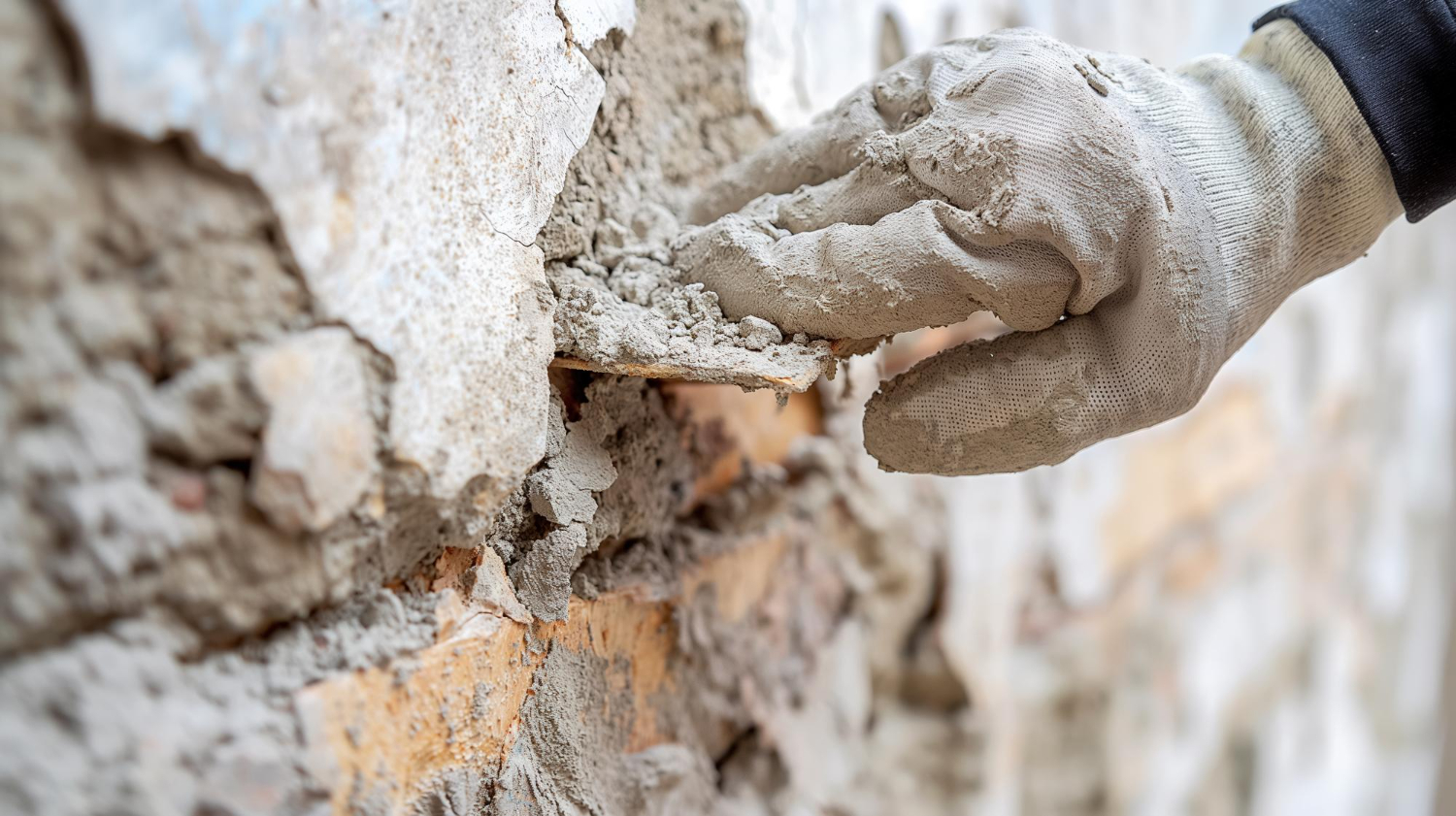
A renovation permit is one of the municipal permits related to works carried out on existing buildings, focusing on regulating repair and modification activities for already constructed properties, whether they are standalone residential units, apartments in multi-unit buildings, or commercial premises. This permit aims to document works that may affect structural safety, the urban appearance, or public services, and ties them to specific regulations set by municipalities and relevant authorities.
Issuing a renovation permit through Balady is generally linked to the electronic municipal services platform such as the Balady Platform, with technical requirements that vary depending on the nature of the renovation works, the size of the building, and whether the project concerns a single apartment, a villa renovation permit, or a multi-storey building. The renovation permit also intersects with other permit systems such as new building permits and completion/occupancy certificates, discussed in more detail in resources like Completion Certificate vs. Occupancy Certificate.
What Is a Renovation Permit?
A renovation permit is a municipal authorization issued for works carried out on an existing building with the aim of repairing, improving, or modifying certain elements, without constructing a new building from scratch. It typically covers works such as:
- Treating cracks in walls and ceilings.
- Replacing damaged structural or architectural components.
- Reconfiguring internal spaces by demolishing or building internal walls, under specific technical conditions.
- Updating façades or adding openings such as windows and doors on street-facing elevations.
Purely cosmetic works are not usually covered by the renovation permit, unless they are accompanied by changes to the layout, façade, or service systems.
Works That Require a Renovation Permit vs. Those That Usually Do Not
The table below provides a descriptive example distinguishing between works that typically require a renovation permit, and those that are often classified as minor improvements that may not need a permit in many municipalities (with local regulations remaining the final reference):
| Type of work | Practical example | Classed under renovation permit? |
|---|---|---|
| Painting internal walls | Changing the color of bedrooms or the living room | Usually does not require a permit |
| Replacing floor tiles without changing levels | Re-tiling the kitchen or bathroom at the same floor level | Usually does not require a permit |
| Modifying or removing an internal wall | Combining two rooms or enlarging a living area | Requires renovation permit and drawings |
| Opening a new window on the external façade | Adding an opening facing the street or neighboring yard | Requires renovation permit and approval |
| Modifying an internal staircase or slab opening | Creating an opening between floors or changing stair direction | Requires structural renovation permit |
| Adding a built room or extension on land | Building an external room in the front or rear yard | Falls under new building/extension permit rather than simple renovation |
This classification helps clarify when obtaining a renovation permit is necessary to document the works and avoid violations.
When Is a Renovation Permit Required?
The need for a renovation permit arises in cases that include:
- Changes to structural elements or load-bearing components within the building.
- Modifications to the façade, or window and door openings facing public streets or neighboring properties.
- Relocating or adding new bathrooms or kitchens that affect drainage networks or ventilation.
- Comprehensive renovation of an old building to make it suitable for habitation or investment again.
By contrast, works such as internal painting, replacing bathroom fixtures without changing the plumbing layout, or installing ready-made kitchen cabinets are often treated as minor maintenance that does not typically require a permit, while recognizing that some municipalities may impose additional conditions.
Authorities Responsible for Renovation Permits
Municipalities and city authorities, under the supervision of the Ministry of Municipal, Rural Affairs and Housing, are responsible for regulating and issuing renovation permits for buildings within their jurisdiction.
Most procedures today are performed through e-services on platforms such as Balady Platform, and in many cases a licensed engineering office is required, especially for works that affect structural elements or require detailed drawings.
Steps to Obtain a Renovation Permit via Balady
The table below illustrates a common sequence of steps for requesting a renovation permit through municipal e-services:
| Stage | Summary of action | Notes related to documentation |
|---|---|---|
| Preparing the technical scope | Defining the renovation scope and the type of changes planned for the building | For a full villa renovation, a structural/technical report is often advisable |
| Submitting the application | Filling in the online application form via the municipal/Balady system | Includes property details, title deed number, and national address |
| Attaching documents | Uploading engineering drawings (when required), title deed, and engineering office authorization | Recent photos of the building before renovation may be requested |
| Municipal review | Technical and regulatory review of the request for safety and compliance | Clarifications or modifications to drawings may be requested |
| Permit issuance and fee payment | Approval of the renovation permit and payment of municipal fees electronically | The permit is linked to a specific building ID and valid timeframe |
The renovation permit remains valid for a defined period, and may be closed once works are completed and compliance is verified, particularly when site inspections are part of the process.
Renovation Permit Fees and Key Determining Factors
Renovation permit fees are calculated according to the applicable municipal fee schedules and often depend on several factors, including:
- Area of the section being renovated, or total building area.
- Type of use (residential, commercial, or investment).
- Location of the property within the municipality’s jurisdiction (inner city, outskirts, approved subdivisions).
- Nature of the works (full structural renovation vs. limited architectural improvements).
Some municipalities link fees to reference construction cost values per square meter, similar in concept to estimation approaches such as those discussed in Cost of Building a Single Floor in Saudi Arabia. However, the exact fee for a renovation permit remains tied to each municipality’s financial regulations and ongoing updates to local fee schedules.
Renovation Permit for a Villa or Existing Residential Building
When dealing with a villa renovation permit or a complete residential building, the scope of work is usually broader and may include:
- Extensive rehabilitation of plumbing and electrical networks.
- Replacement of parts of roofs, boundary walls, or staircases.
- Updating façades and external architectural features.
In such cases, a licensed engineering office is generally required to provide drawings for the “before and after” conditions, clarifying the extent of impact on structural elements. A renovation permit in this context may also be linked to later stages such as requesting a completion certificate for the works or updating building information in municipal systems.
Relationship Between the Renovation Permit and Other Permits
The renovation permit forms part of a broader permit ecosystem that includes:
- Building permits for new construction.
- Permits for adding or modifying floors.
- Completion and occupancy certificates, as discussed in Completion Certificate vs. Occupancy Certificate.
Together, these instruments help maintain a documented history for each property, showing construction stages, modifications, and whether the project involved building a new floor, partial renovation, or full refurbishment.
Frequently Asked Questions
How do I obtain a renovation permit?
A renovation permit is obtained by submitting an electronic application via the approved municipal platform, such as the Balady Platform. The applicant selects the building permits service, then renovation permit, enters property data, and attaches the required documents such as the title deed and engineering drawings where applicable. After submission, the municipality reviews the request, and if approved, the permit is issued and fees are paid electronically.
What are the conditions for renovation?
Typical conditions for works under a renovation permit include:
- Not compromising the structural safety of the building, and providing engineering reports when structural or load-bearing elements are affected.
- Adhering to property boundaries and setback regulations, and avoiding encroachment on neighboring land or public utilities.
- Implementing works in line with the building code and municipal regulations, including insulation and fire safety requirements where applicable.
- Respecting the validity period of the permit and not continuing works beyond expiry without renewal.
Does interior renovation require a permit?
Interior renovation requires a renovation permit when it involves substantial changes such as removing or modifying walls, changing the location of bathrooms or kitchens along with their networks, or creating new openings in slabs or structural walls.
Minor internal works, such as furniture replacement, painting, or changing floor finishes without altering levels or walls, are generally treated as maintenance and do not normally require a permit, although specific details depend on each municipality’s regulations.
What is the fine for renovating without a permit?
The fine for renovation without a permit is determined under the applicable municipal penalty schedules and varies according to the type and scale of the violation. In many cases, penalties may include:
- A monetary fine calculated based on the area or nature of the unauthorized works.
- Immediate suspension of work on-site.
- Obligating the owner to remove or regularize the works through the proper permitting process.
Details are derived from each municipality or city authority’s regulations, and the estimated penalty may reflect how strongly the violation affects safety or neighboring properties.
What is the largest type of work that can be done without a permit?
Major structural works are generally not allowed without a permit, including adding new rooms, extending built-up areas, or adding floors, as these fall under building permits or structural renovation permits for existing buildings.
Works that are usually carried out without a permit are limited to minor maintenance that does not affect the structural frame or change the façade or built-up area, such as painting or replacing certain finishes inside the unit.
Conclusion
Reviewing the components of a renovation permit and their link to the type of works and building conditions provides a clearer picture of the role this permit plays in regulating modifications to existing structures, whether for limited internal renovation or full rehabilitation under a villa renovation permit or a comprehensive building upgrade. It also highlights the connection between renovation permit fees, municipal e-services, engineering office requirements, and regulatory authorities.
The Aqar Blog offers extensive material on construction, renovation, and residential project costs in Saudi Arabia, while the platform’s account on X, Aqar on X, presents real-world examples and periodic updates covering the property market and building and licensing systems in various Saudi cities.